

-
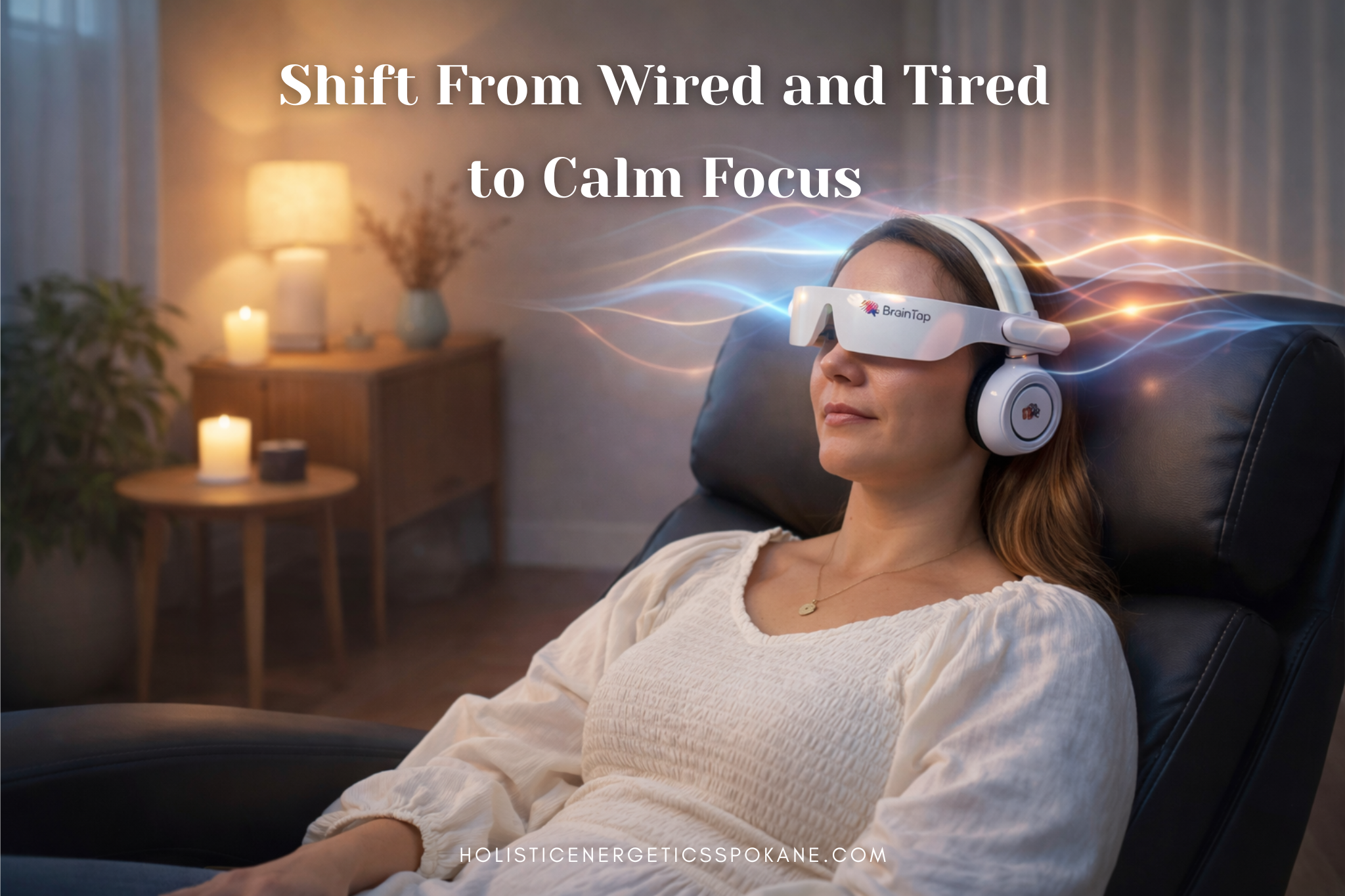
How BrainTap Can Help You Shift From Wired and Tired to Calm Focus in One Session
If your mind feels busy even when you are trying to rest, your nervous system may be stuck in “on” mode. You can be productive, capable, and still feel like you never fully shut off. A BrainTap session is a simple way to help your body shift gears. Many people notice they can breathe…
-
Biohacker Wellness: Data First, Then Targeted Support
If you train, eat clean, and track your routines, you already understand the biohacker mindset. The next level is not more effort. It’s better targeting. Instead of guessing which wellness tools you “should” use, start with data, identify what needs support, then apply the right sessions to move the needle. That approach saves time…
-
Creativity Thrives in Safety, Not Pressure: How to Re-Enter Flow Gently
If creativity used to feel natural and now feels strained, distant, or inaccessible, something deeper may be happening. Many people assume creative blocks mean they are lazy, uninspired, or undisciplined. In reality, creativity often disappears when the inner environment no longer feels safe enough for expression. Creativity does not respond well to pressure. It…
-
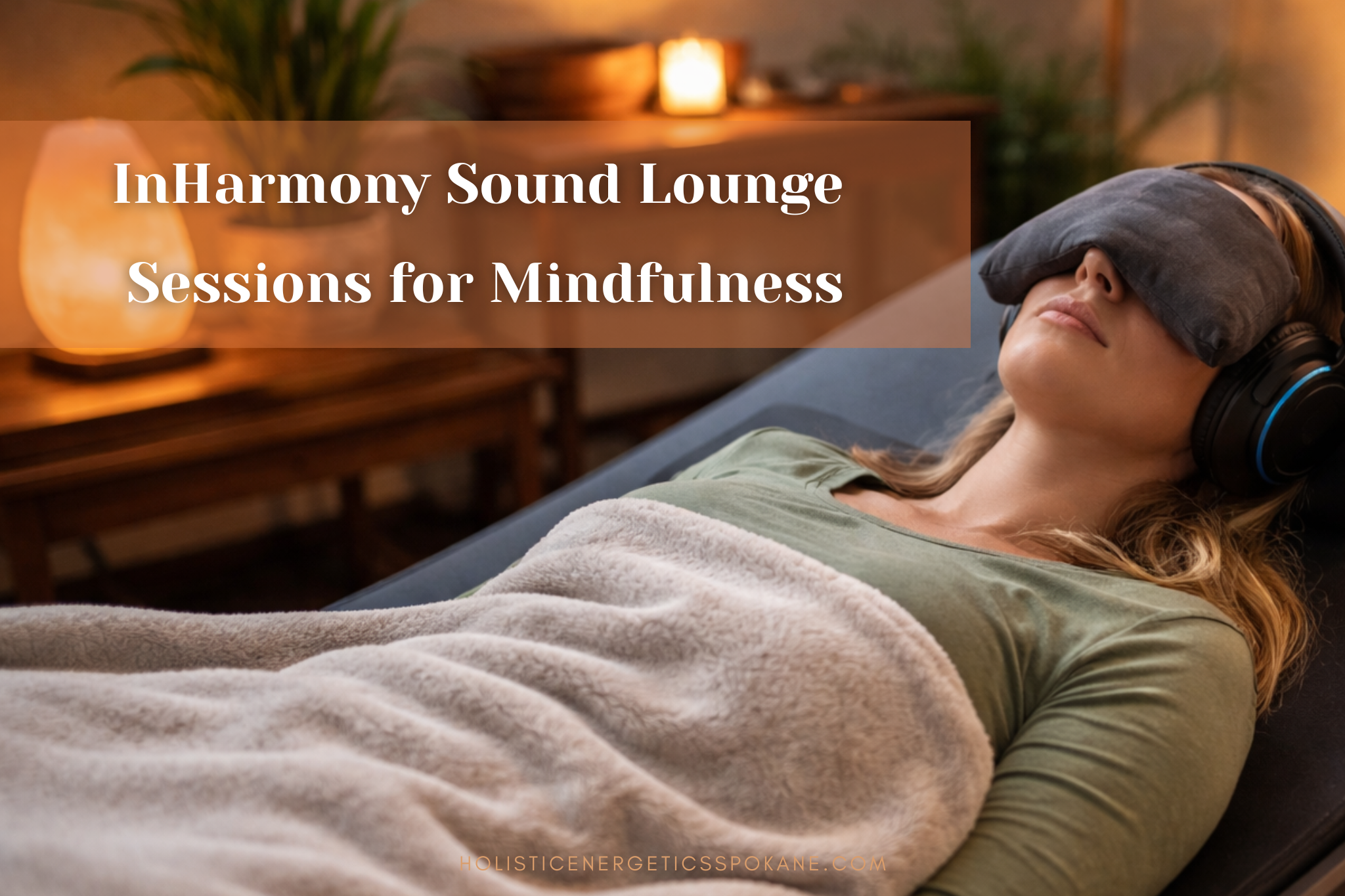
InHarmony Sound Lounge Sessions for Mindfulness: How Sound Supports Regulation and Clarity
Many people try to “calm down” by thinking their way into peace. They take a break, scroll their phone, or push through their stress with willpower. But for a lot of people, the mind does not settle just because they want it to. Our InHarmony Sound Lounge sessions for mindfulness offer a different entry…
-

What Healthy Boundaries Feel Like in the Body
Boundaries are often talked about as something you say or do. Setting limits. Saying no. Communicating clearly. While those skills matter, they are only part of the picture. Healthy boundaries are not just behavioral. They are physiological. They are experienced in the body before they are expressed in words. Boundaries begin as bodily signals…
-
What Emotional Regulation Actually Means (and What It Doesn’t)
Emotional regulation is often talked about as a skill you should master. People are told to calm down, manage their reactions, or stay balanced no matter what is happening. While these ideas are common, they miss what emotional regulation actually means at a nervous system level. True emotional regulation is not about control. It…
-
How Emotional Holding Contributes to Nervous System Overload
Many people experience ongoing stress, exhaustion, or nervous system symptoms without a clear cause. They may be doing everything “right” on the surface, yet their body still feels tense, reactive, or unable to fully settle. In many cases, this pattern is connected to emotional holding. Emotional holding contributes to nervous system overload when emotions…