-
InHarmony Sound Lounge Sessions for Mindfulness: How Sound Supports Regulation and Clarity
Many people try to “calm down” by thinking their way into peace. They take a break, scroll their phone, or push through their stress with willpower. But for a lot of people, the mind does not settle just because they want it to. Our InHarmony Sound Lounge sessions for mindfulness offer a different entry…
-

What Healthy Boundaries Feel Like in the Body
Boundaries are often talked about as something you say or do. Setting limits. Saying no. Communicating clearly. While those skills matter, they are only part of the picture. Healthy boundaries are not just behavioral. They are physiological. They are experienced in the body before they are expressed in words. Boundaries begin as bodily signals…
-
Why Inner Healing Is Not About Fixing Yourself
Many people approach inner healing with the belief that something inside them is broken. They look for tools, techniques, or insight that will finally correct what feels wrong. While this mindset is understandable, it often creates more tension than relief. Inner healing is not about fixing yourself. It is about understanding, integration, and restoring…
-
What Emotional Regulation Actually Means (and What It Doesn’t)
Emotional regulation is often talked about as a skill you should master. People are told to calm down, manage their reactions, or stay balanced no matter what is happening. While these ideas are common, they miss what emotional regulation actually means at a nervous system level. True emotional regulation is not about control. It…
-
How Emotional Holding Contributes to Nervous System Overload
Many people experience ongoing stress, exhaustion, or nervous system symptoms without a clear cause. They may be doing everything “right” on the surface, yet their body still feels tense, reactive, or unable to fully settle. In many cases, this pattern is connected to emotional holding. Emotional holding contributes to nervous system overload when emotions…
-
Signs Your Nervous System Is Overstimulated
Overstimulation does not always look like panic or overwhelm. For many people, it feels quieter and more constant. A sense of being on edge. Difficulty relaxing. Feeling irritated, wired, or oddly numb at the same time. When the nervous system takes in more input than it can process over time, it can struggle to…
-
Why You’re Exhausted Even When Nothing Is “Wrong”
You feel tired all the time, yet nothing is technically “wrong.” Your labs look normal. You are doing your best to rest, eat well, and keep up with life. Still, the exhaustion lingers. This kind of fatigue is frustrating because it is invisible, hard to explain, and often dismissed. For many people, this pattern…
-
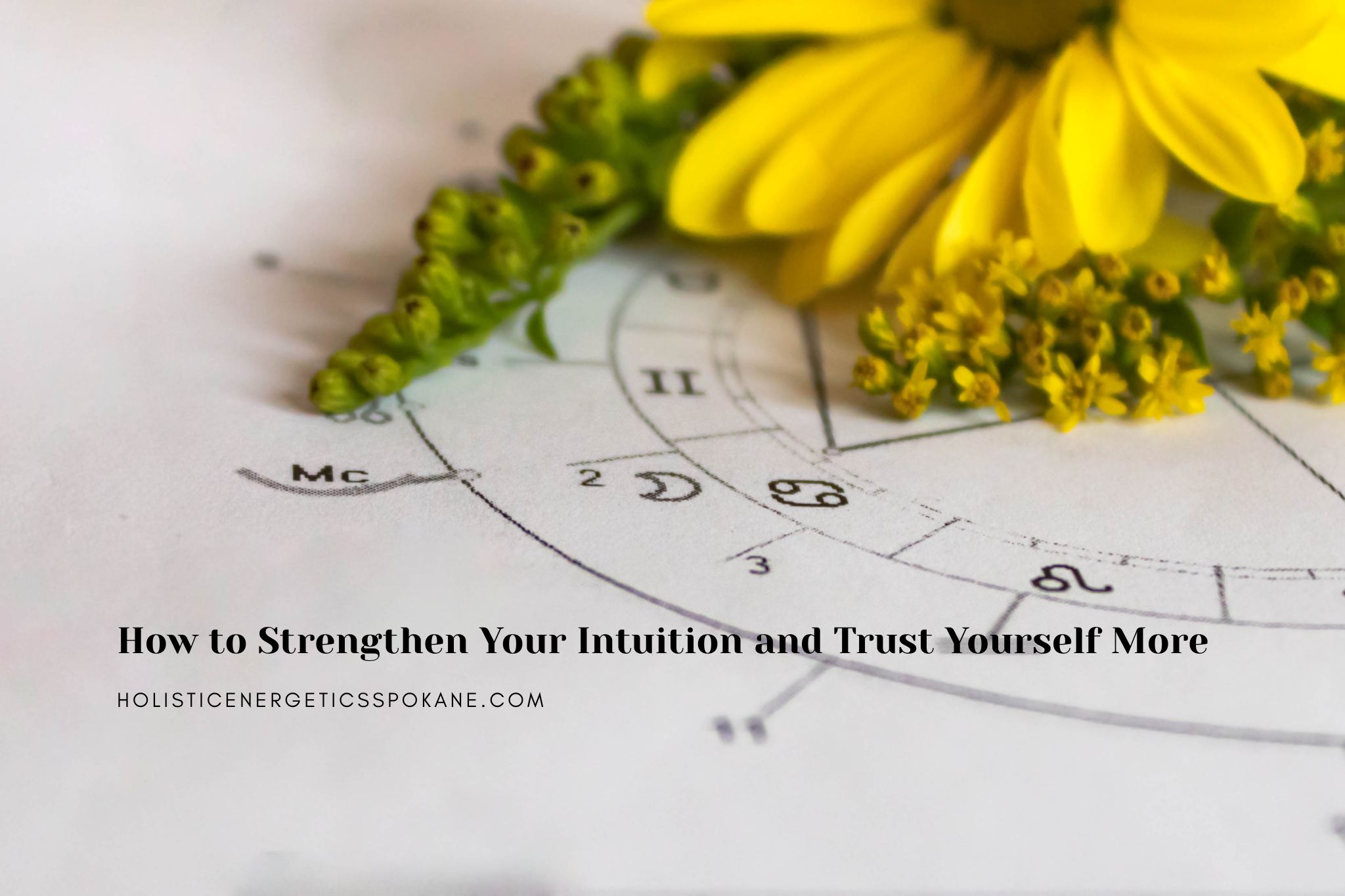
How to Strengthen Your Intuition When You Want to Trust Yourself More
Sometimes the real issue is not confusion. It is that you do not fully trust your own signal yet. You can do the research, think it through, and still feel uncertain because your inner compass feels quiet or inconsistent. Intuition is not reserved for big life moments. It is a practical skill you can…
-
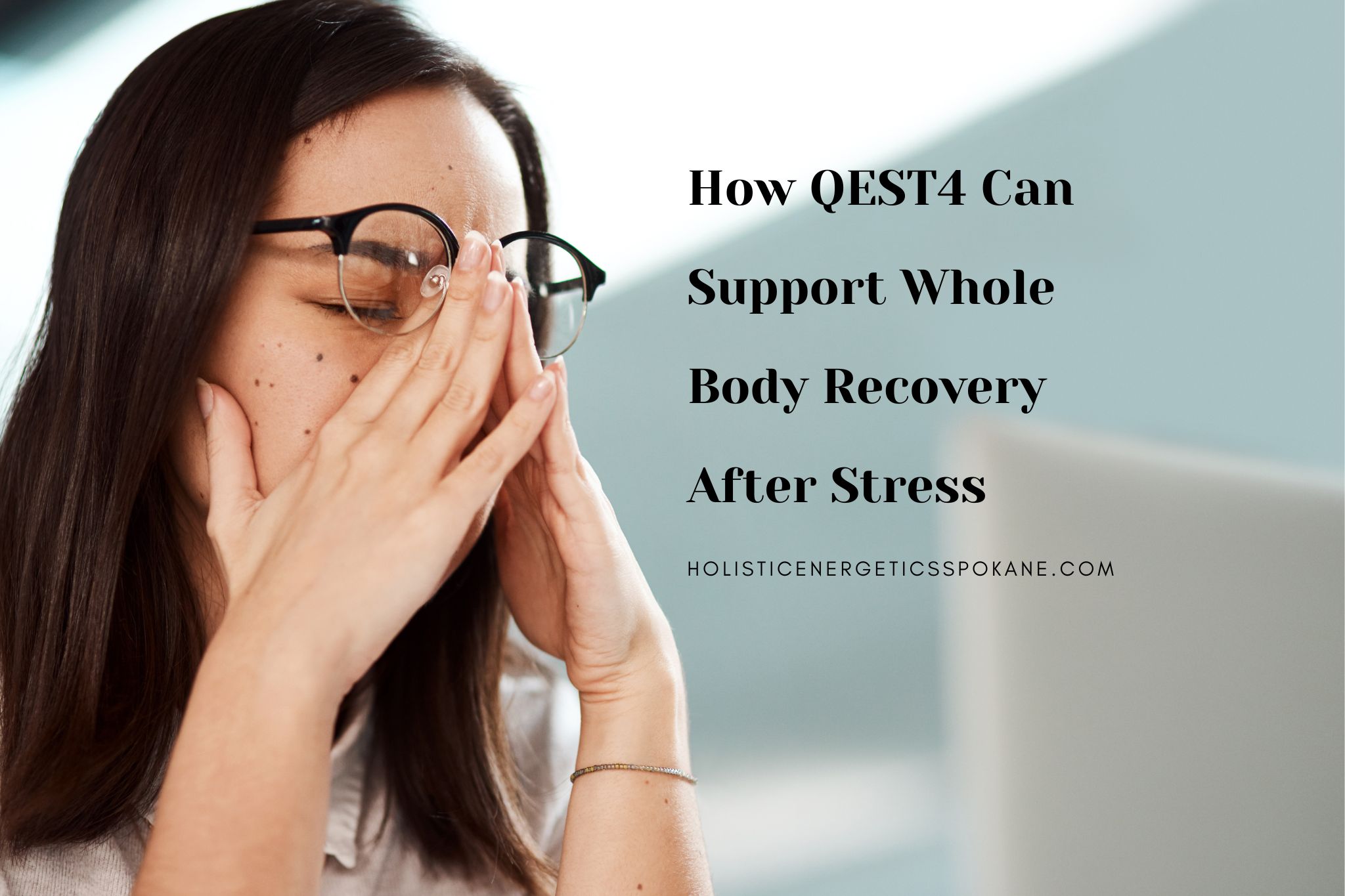
How QEST4 Can Support Whole Body Recovery After Stress
When you have been pushing through stress for a long time, “tired” becomes your normal. You wake up already low on energy, need more caffeine than you would like, and feel like your body is always one step behind your life. You might tell yourself you just need a weekend off, but even rest…
-

Simple Ways To Use BrainTap When Your Mind Feels Foggy And Scattered
Some days your brain feels like fifteen browser tabs are open and none of them are loading. You forget words, lose your place in a sentence, read the same line three times, or bounce between tasks without actually finishing anything. By the end of the day you are tired, frustrated, and wondering where your…